We Spoke with Fly Cham on the Rebuilding Process of Syrian Aviation
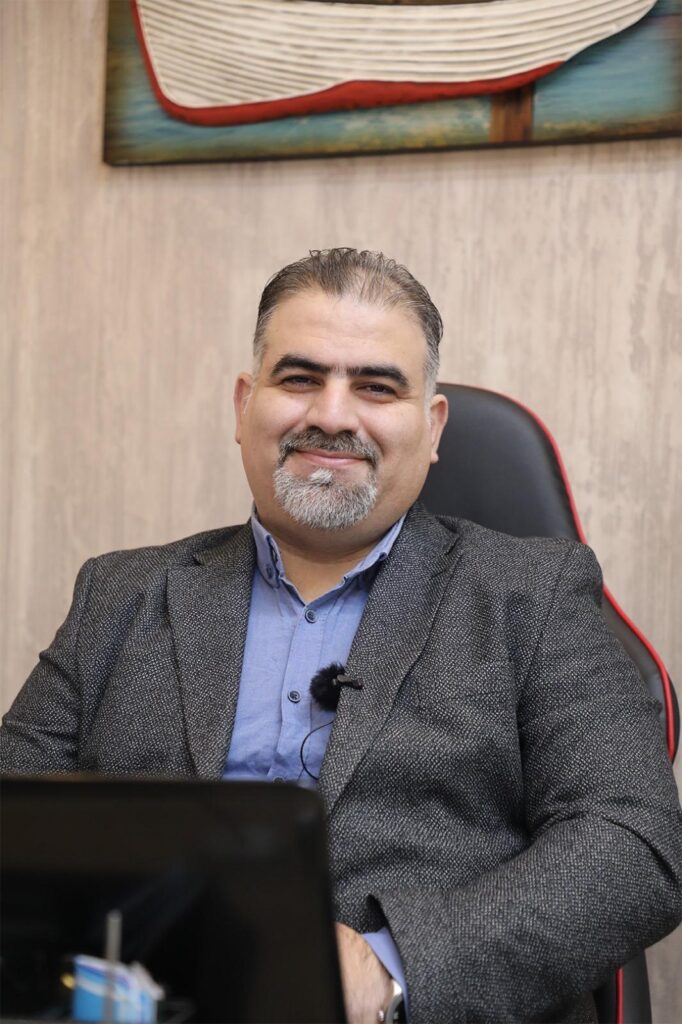
As the Syrian aviation sector enters a period of recovery and rebuilding, we spoke with Fly Cham Regional Manager İsmail Şeref about the airline’s current operations, its view of the Turkish market, fleet plans and regional growth strategy.
Şeref said passenger demand in Syria is increasing again, particularly driven by the diaspora, business travel and regional connectivity, adding that Fly Cham aims to expand its network and strengthen its alignment with international safety and regulatory standards in the coming period.
Full interview:
- At what stage is the Syrian aviation sector today, and how do you evaluate the current operational capacity?
The Syrian aviation sector is currently in a recovery and rebuilding stage. Operations have resumed at key airports like Damascus and Aleppo, passenger demand is returning, and international interest is increasing.
Also, the Syrian aviation sector is functioning and gradually improving, with strong growth potential, supported by clear interest and increasing focus from the Syrian government and Civil Aviation on rebuilding and developing the industry.
- In which markets is Fly Cham currently active, and which routes are your priority?
We are active in the Middle East, including the UAE, Oman, Kuwait, Iraq, Libya, and Türkiye, as well as Armenia.
Our priorities are Europe, Saudi Arabia, Egypt, Tunisia, India, and reactivating our flights to Pakistan.
- What are the biggest constraints you face in your operations?
The biggest constraints Fly Cham faces are limited fleet capacity, operational disruptions, airport infrastructure limitations, a restricted route network, and challenges related to sanctions in some areas.
- What have been the initial effects of the recent transformation process in Syria on the aviation sector?
The recent transformation process in Syria has had positive initial effects on aviation, including the reopening of airspace, increased investor interest, easing sanctions, and new plans for fleet renewal and airport development.
Overall, it has improved confidence and restarted sector growth.
- How has this process been reflected in passenger demand? Are you observing an increase, especially in diaspora and business travel?
Yes, the process has been reflected in rising passenger demand, particularly from the Syrian diaspora visiting family, business travelers linked to reconstruction activity, and regional travel.
Confidence is gradually improving, which is supporting higher traffic levels.
- Has a normalization process begun in relations with international aviation authorities?
Yes, a gradual normalization process has begun, with improving engagement with regional and international aviation authorities, renewed regulatory dialogue, and growing interest in restoring routes and operational cooperation.
- Could you provide information about your fleet structure? Do you have plans for fleet expansion in the short and medium term?
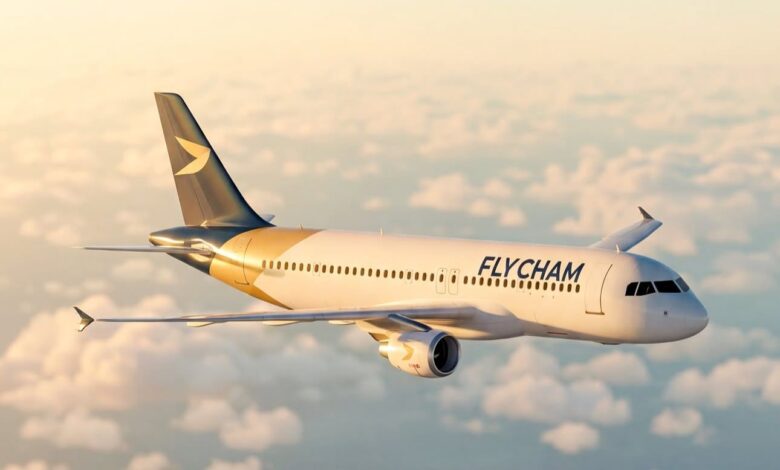
Our current fleet consists of 4 Airbus A320 aircraft, which are well suited for regional operations.
We are evaluating short- and medium-term fleet expansion plans to support growing demand, increase frequencies, and add new destinations as market conditions continue to improve.
- What steps are you taking to comply with international standards in terms of safety and regulation?
We are actively working to align with international aviation standards by strengthening safety oversight, improving maintenance and operational procedures, enhancing staff training, and cooperating with relevant civil aviation authorities to ensure compliance with ICAO requirements and best practices.
- Is the airport infrastructure in Syria sufficient to support current operations?
Airport infrastructure in Syria is currently sufficient to support basic and current operations, but it is still limited for high-volume or hub-level traffic.
Key airports like Damascus and Aleppo are operational, but they require further modernization in terminals, navigation systems, and passenger services to fully meet international standards and future growth needs.
- What does the Turkish market mean for Fly Cham?
The Turkish market is strategically important for Fly Cham, as it represents strong demand from both the Syrian diaspora and regional travel.
It offers high passenger potential, good load factors, and frequent travel needs.
- Do you have any plans or considerations regarding flights to Türkiye?
We already have daily direct flights from Damascus Airport to SAW Airport and 2 flights from ALP Airport.
We also will reactivate our flights to COV Airport soon.
- Are collaborations with the Turkish aviation sector on the agenda, particularly in ground handling, technical maintenance, or code-sharing? Are there any concrete steps?
We already do, as we have direct flights now.
- How do you evaluate passenger demand from Türkiye to Syria?
There is very good and important demand for passengers from and to Türkiye, as well as transit passengers via Turkish airports.
- What is your competitive strategy against other carriers in the Middle East?
Fly Cham’s competitive strategy is mainly based on regional point-to-point connectivity and cost efficiency.
It focuses on high-demand regional destinations, flexible scheduling, and building strong load factors, rather than competing directly with large Middle East hub carriers.
- Is transit passenger transportation a target for you?
Sure, it is an important target for Fly Cham.
- What kind of roadmap are you following to make Fly Cham a regional player?
Fly Cham’s roadmap to becoming a regional player is based on gradual network expansion, fleet growth, operational stabilization, and building partnerships where possible to increase connectivity.
- What are Fly Cham’s biggest goals for the next 3–5 years?
Fly Cham’s main goals for the next 3–5 years are to expand its regional network, increase its fleet, improve operational reliability, and strengthen compliance with international safety and regulatory standards.
It also aims to position itself as a stronger regional carrier connected to Syria’s economic recovery.
- Do you have any plans for new destinations?
Yes, as said before: Europe, Saudi Arabia, Egypt, Tunisia, India, and reactivating our flights to Pakistan.
- In your opinion, how long will it take for Syrian aviation to reintegrate into the global system?
Full reintegration of Syrian aviation into the global system will likely take several years, depending mainly on political stability, regulatory alignment, and continued safety oversight improvements.
It can happen within 3–5 years as a first step.
- What message would you like to convey to passengers and business partners in Türkiye?
We value the strong historical relations between Syria and Türkiye, and we would like to assure our passengers and business partners that Fly Cham is committed to providing safe, reliable, and improving air services between the two markets.