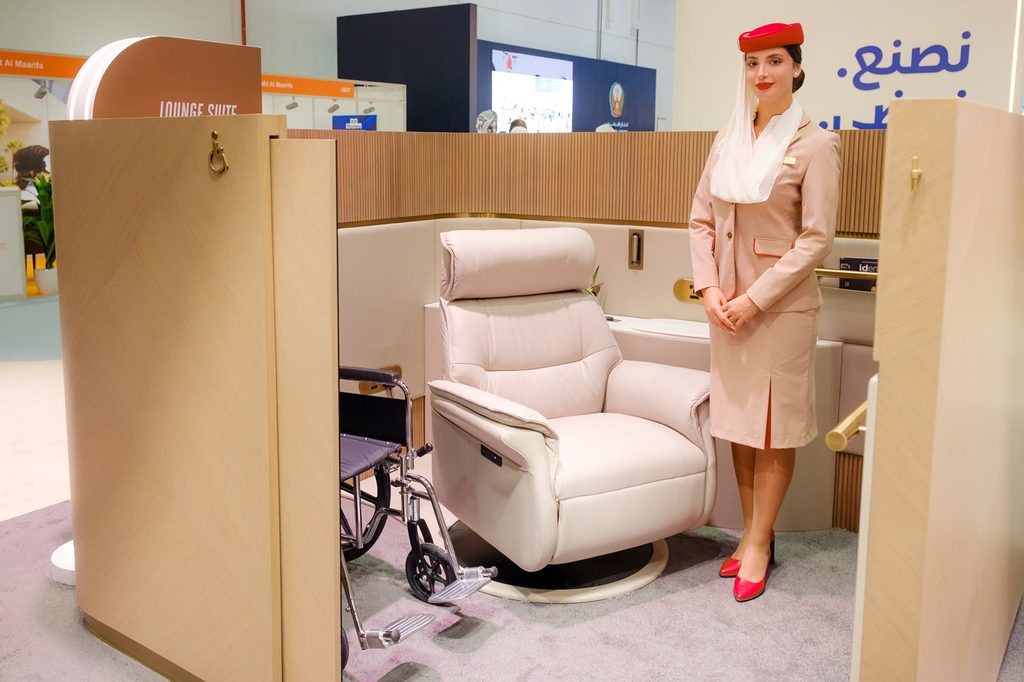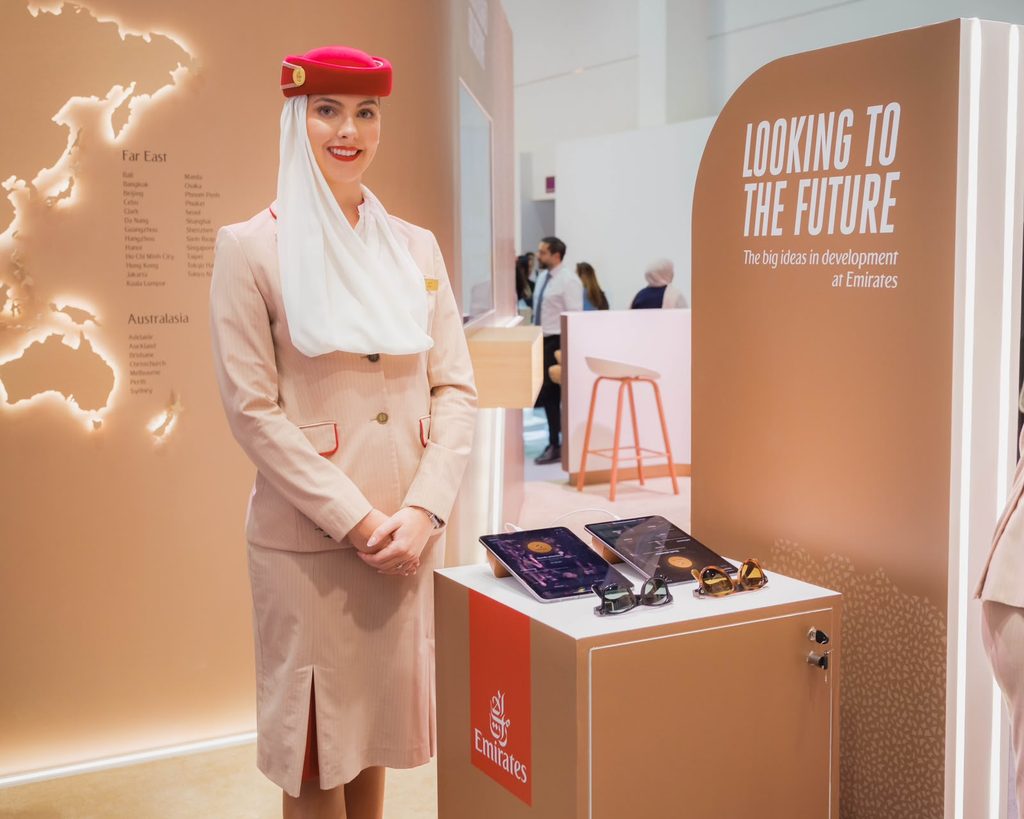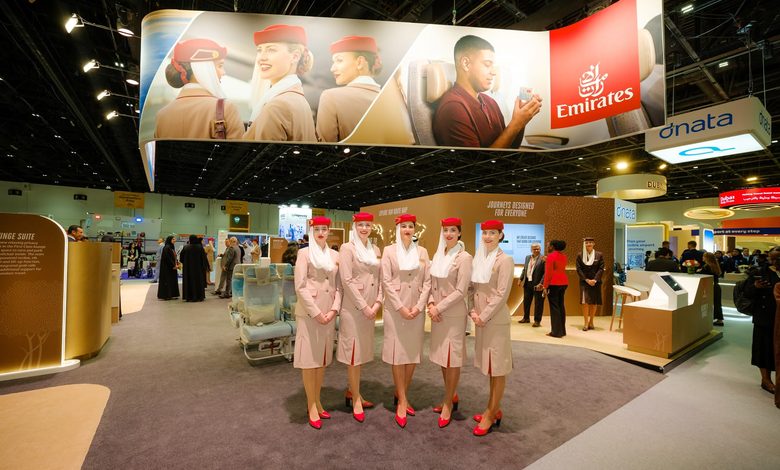
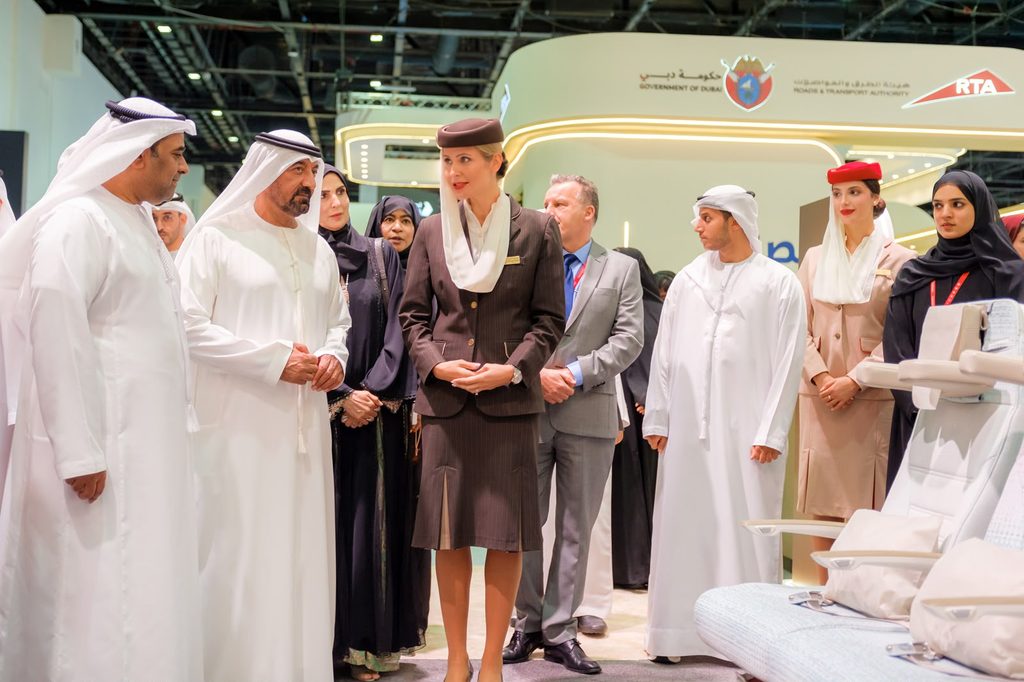
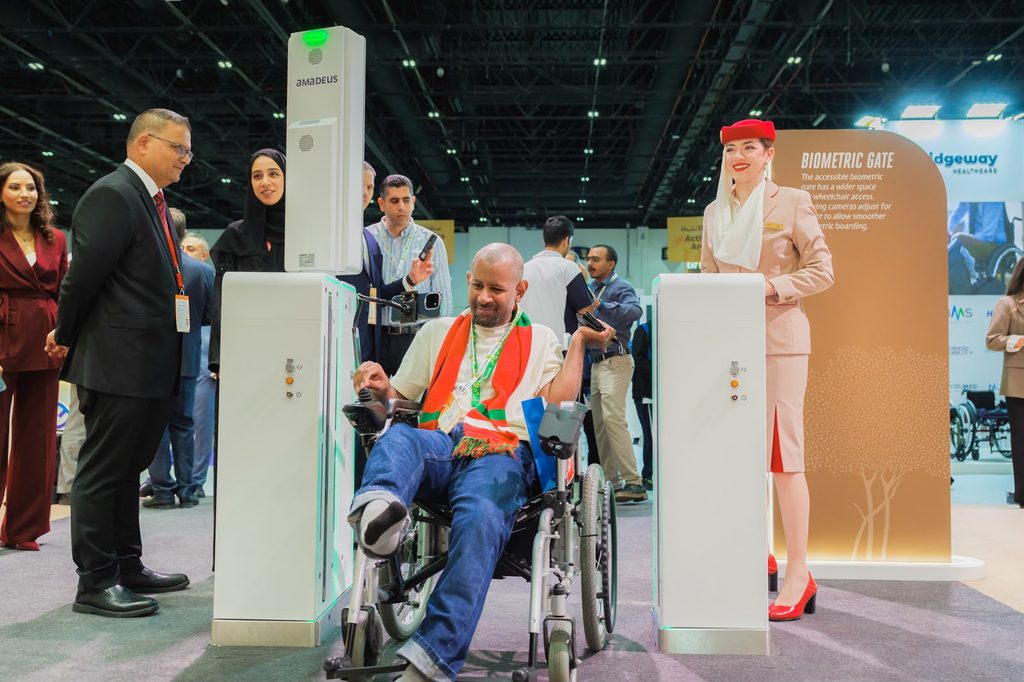
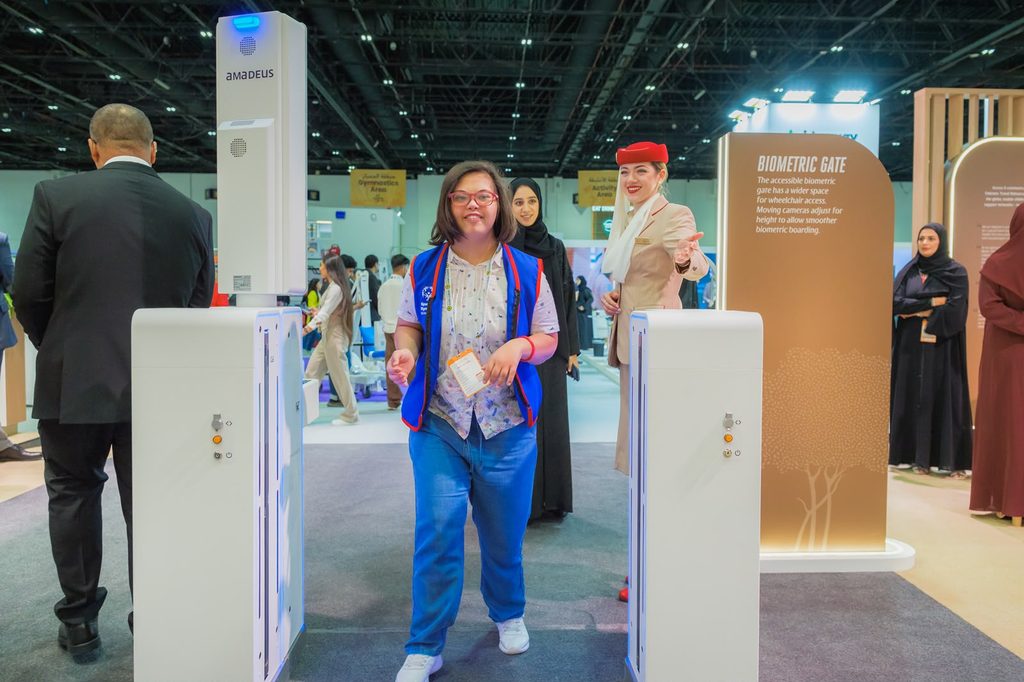
Emirates has showcased new technologies and solutions under development to improve the travel experience for passengers with disabilities and those requiring additional assistance at AccessAbilities Expo 2026, held at the Dubai World Trade Centre from October 19–21. Highlights at the airline’s stand included a cabin familiarisation experience for visually impaired passengers, accessible biometric boarding gates and dedicated relaxation areas for wheelchair users.
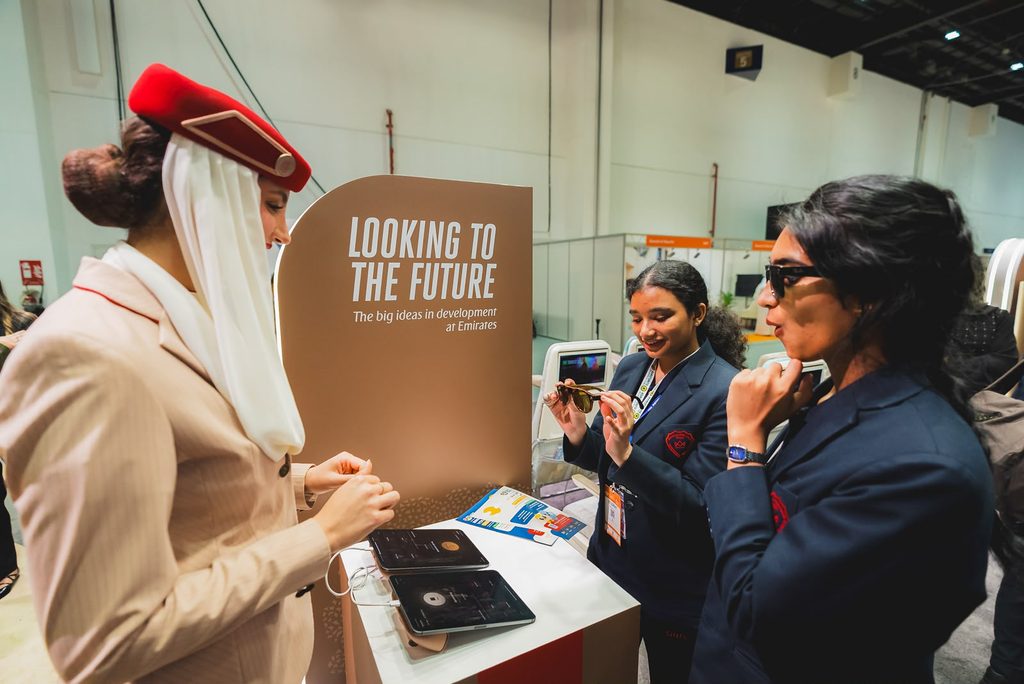
The cabin experience currently under development aims to help blind and partially sighted passengers familiarise themselves with an aircraft cabin before travelling through spatial audio, tactile interaction and guided narration. At Dubai International Airport’s Terminal 3, biometric boarding gates feature cameras that can adjust to passengers’ height and position, while self-service check-in kiosks offer audio guidance, Braille and height-adjustable interfaces. Emirates is also developing a dedicated relaxation area featuring an electric recliner, support handrails and wheelchair space. Initially intended for First Class lounges, the concept may later be adapted for other travel classes.
As part of its Travel Rehearsal Programme, which allows autistic children and young people to experience airport procedures with their families before an actual flight, Emirates has conducted 80 rehearsals across six continents, including in Istanbul, reaching more than 400 families. The airline has also trained over 35,000 employees to better understand the needs of autistic passengers and became the world’s first Autism Certified Airline in March 2025.
Emirates’ accessibility initiatives also extend to inflight entertainment and ground transportation. Its ice entertainment system offers more than 850 films with closed captions for passengers with hearing impairments and 200 films with audio descriptions for visually impaired passengers. The new interface on Airbus A350-900 aircraft also supports audio navigation and touchscreen gestures.
In Dubai, Emirates provides chauffeur-driven transfers using 10 specially equipped wheelchair-accessible vehicles for eligible First Class and Business Class passengers. The airline’s Accessible and Inclusive Travel Information Hub also brings together travel guidance and information about services for passengers with mobility, visual and hearing impairments, autism and other accessibility needs.