NTSB Says Thermal Relief Plug Melting Led to Tire Pressure Loss in American Airlines 737 MAX Accident
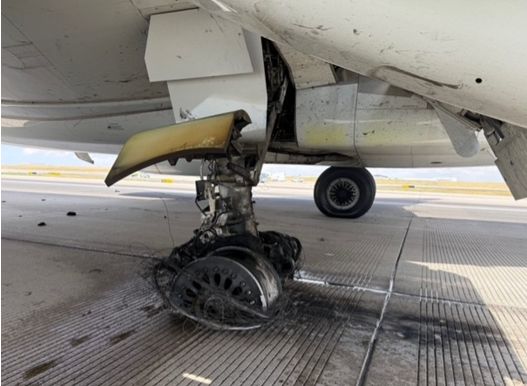
The U.S. National Transportation Safety Board (NTSB) has released its final report on the July 26, 2025 accident involving American Airlines Flight 3023 at Denver International Airport. The N306SW-registered Boeing 737-8, which was departing for Miami, experienced failures involving the tires and wheels on the left main landing gear during the takeoff roll. At around 90-100 knots, the pilots heard a loud noise and felt a significant bump before the aircraft tilted to the left and became difficult to control, prompting a high-speed rejected takeoff. Smoke and fire subsequently developed around the left main landing gear area.
The NTSB determined that the probable cause of the accident was the melting of thermal relief plugs in the main landing gear wheels, which led to a loss of tire pressure. Following the pressure loss, both wheels on the left main landing gear sustained severe damage, with one wheel breaking apart and the landing gear contacting the runway surface. Debris also struck the underside of the left wing, causing structural damage. The aircraft damage was classified as substantial because the lower wing skin had to be replaced from the wing root to the wing tip.
According to the report, the temperature in Denver was 35°C before departure, while the crew rejected takeoffs from two different runways due to variable winds and unacceptable tailwind components. The aircraft was later directed to Runway 34L, where it waited for approximately 25 minutes before beginning its takeoff roll. An emergency evacuation was initiated after the fire was reported and smoke entered the cockpit.
All 175 people on board, including 169 passengers and six crew members, escaped without injury. Cabin crew also told the NTSB that some passengers took their carry-on baggage with them despite instructions, slowing the evacuation.
📸: NTSB