High Fuel Prices Affect Aircraft Maintenance Decisions
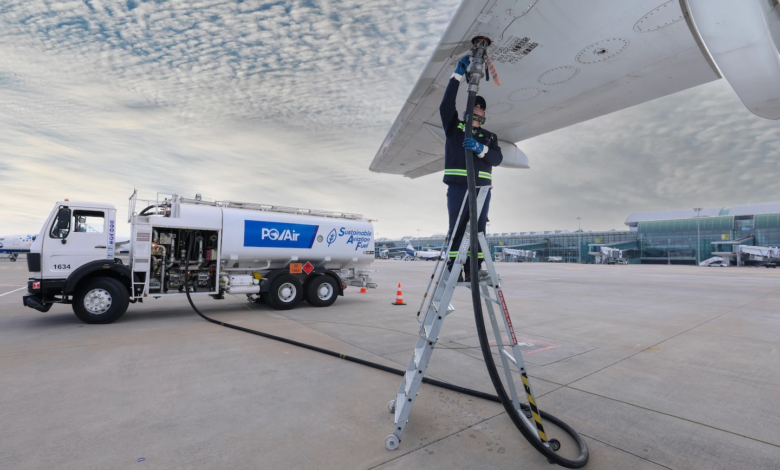
Oil prices exceeding $100 per barrel and jet fuel costs rising to more than twice last year’s average are increasing operating expenses for airlines. As a result, carriers are reducing capacity and reviewing non-essential spending.
Airlines cannot postpone mandatory maintenance tasks required under their approved aircraft maintenance programs. However, where permitted, some carriers are reportedly delaying extensive and costly heavy maintenance checks in favor of shorter, more targeted maintenance work. Lufthansa CEO Carsten Spohr said that some customers are postponing heavy maintenance, while Citi analysts have also highlighted a similar trend.
This development is significant for engine manufacturers and maintenance, repair and overhaul (MRO) providers. Companies such as GE Aerospace, Safran and Rolls-Royce generate a substantial share of their revenue from aftermarket maintenance and spare parts services. Meanwhile, capacity constraints at maintenance facilities and delays in new aircraft deliveries are forcing airlines to keep older aircraft in service longer. If fuel prices remain elevated and flight activity declines, some aircraft could eventually be placed into storage or retired rather than undergoing major maintenance.