War in the Middle East Disrupts Aviation
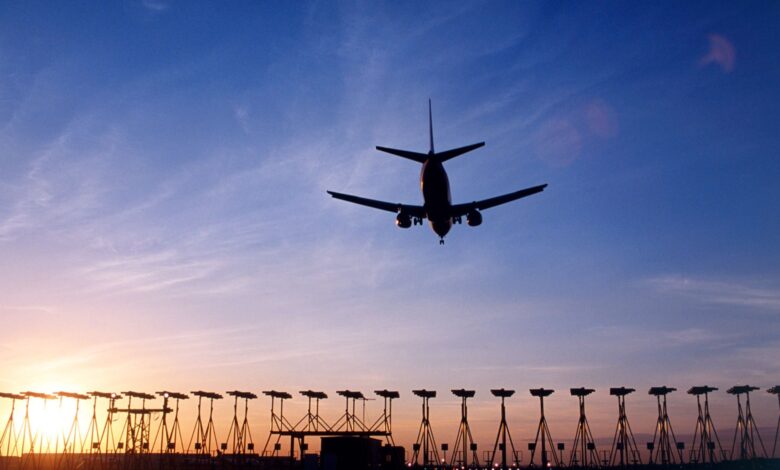
Airspace closures across the Middle East have forced airlines to take longer alternative routes, leading to significant cost increases for both carriers and passengers.
Airlines are being compelled to avoid high-risk areas and reroute flights accordingly. This has substantially extended flight durations and increased fuel consumption. For instance, some long-haul flights that previously took under 17 hours are now exceeding 20 hours and, in some cases, require additional stopovers.
Extended flight times are affecting not only operational costs but also crew working conditions. Pilots and cabin crews are required to remain on duty for longer periods, raising concerns about fatigue risks.
To offset rising expenses, airlines have been increasing ticket prices. Higher fuel costs and longer routings have resulted in noticeable fare hikes, particularly on international routes.
Meanwhile, reduced flight options on certain routes are complicating travel planning for passengers. With limited alternative corridors available, travel times are increasing and finding affordable tickets is becoming more difficult.