What’s Behind Istanbul Airport’s CDP Success? We Examined İGA’s Water Management Strategy
İGA Istanbul Airport’s achievement of an A rating, the highest possible score in CDP’s 2025 Water Security assessment, has emerged as a notable development in environmental sustainability. But how did Istanbul Airport, which serves millions of passengers every year, achieve this recognition? What measures were implemented, and what results have been achieved? At HavaSosyalMedya, we examined Istanbul Airport’s water management initiatives and their outcomes.
As one of the world’s busiest airports, Istanbul Airport handles millions of passengers and hundreds of thousands of flights annually. Ensuring the sustainability of such a large-scale operation requires not only effective energy consumption, carbon emissions and waste management strategies, but also the protection of water resources. Efficient water management is essential to maintaining operational continuity across the airport, from terminal buildings and technical facilities to cooling systems and extensive landscaped areas.
İGA Istanbul Airport’s inclusion in CDP’s Global A List after receiving an A rating in the 2025 Water Security assessment demonstrates international recognition of its efforts in this area. However, the achievement goes beyond simply reducing water consumption. It reflects a broader strategy involving water reclamation, the development of alternative water sources and the integration of water management into daily airport operations.
How Did İGA Achieve CDP’s Highest Rating?
Our research at HavaSosyalMedya indicates that İGA’s success in the CDP assessment is closely linked to its comprehensive approach to water management across airport operations.
İGA considers sustainability not only an environmental responsibility but also an essential component of operational resilience and its long-term growth strategy.
The airport’s initiatives extend beyond reducing water consumption. They include securing water from alternative sources, treating and reusing wastewater, and developing water reclamation infrastructure.
Regular monitoring of water consumption, assessment of potential risks and transparent reporting of environmental performance are also key elements of this approach.
A Remarkable Change in One Year: From 27% to 42%
One of the most significant findings of our research is the increase in reclaimed water usage at Istanbul Airport.
In 2024, reclaimed water accounted for 27% of the airport’s total water consumption. By 2025, this figure had risen to 42%, representing an increase of 15 percentage points in just one year.
According to İGA’s 2025 sustainability data, approximately 1.067 million cubic metres of reclaimed water were used during the year.
This development represents an important step towards reducing demand for water from natural sources and improving the efficiency of existing resources.
Considering that Istanbul Airport served 84.4 million passengers and handled more than 549,000 flights in 2025, the operational significance of water reuse becomes even clearer.
How Is Water Reclaimed at Istanbul Airport?
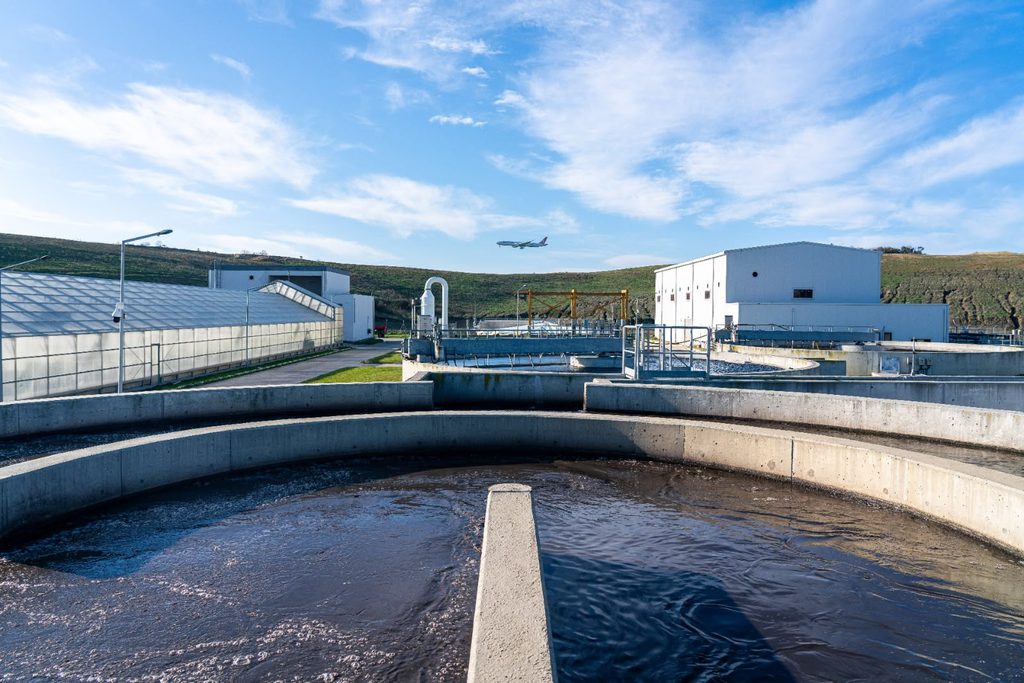
According to the initiatives we examined, wastewater treatment and reuse systems form the foundation of Istanbul Airport’s water management strategy.
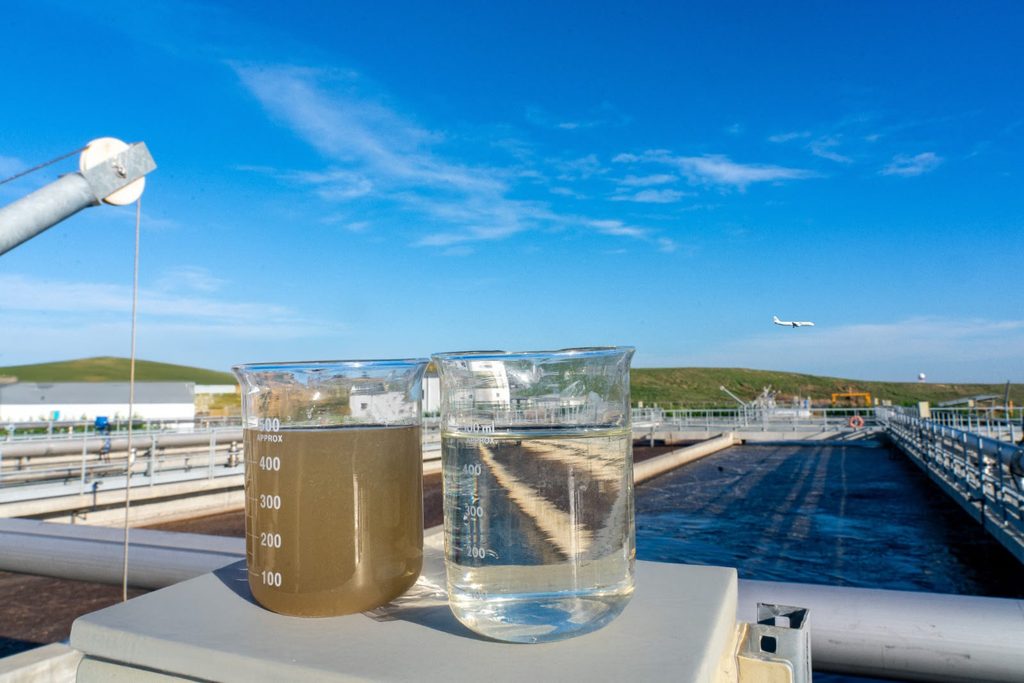
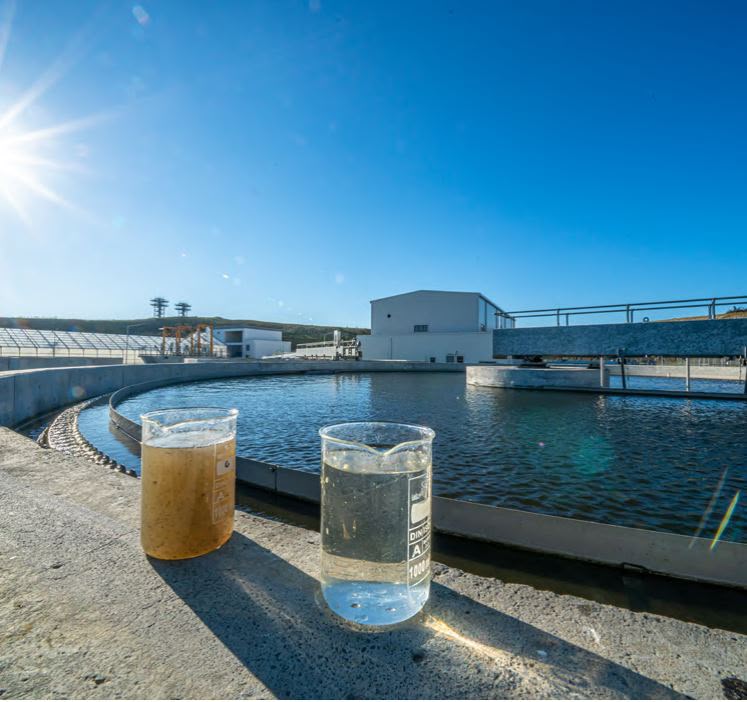
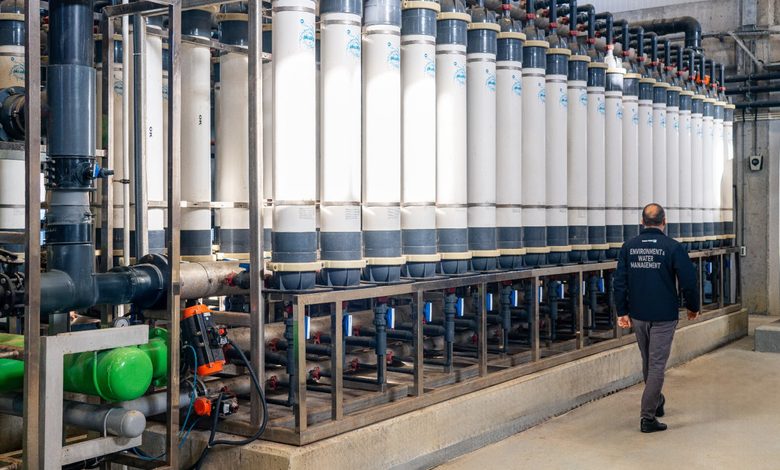
Wastewater generated at the airport undergoes various treatment processes to make it suitable for reuse. Advanced treatment technologies improve water quality, allowing reclaimed water to be used particularly in cooling systems.
One of the most notable practices is that 100% of the airport’s landscape irrigation requirements are met using reclaimed water.
Treated water is used to irrigate the airport’s extensive landscaped areas, while plant species requiring less water are prioritised to further reduce consumption.
In addition, water consumption points are regularly monitored, and improvements are implemented to enhance efficiency.
The objective is not only to reuse water that has already been consumed but also to reduce the airport’s overall water demand.
Why Is CDP’s A List Important?
To understand the significance of İGA’s achievement, it is important to examine CDP’s assessment framework.
CDP is an international organisation that evaluates companies worldwide based on their environmental impacts, risk management approaches and sustainability performance.
Its Water Security assessment considers more than the volume of water consumed. It also examines how companies manage water-related risks, what preventive measures they implement, how transparently they disclose environmental data and how they establish long-term objectives.
İGA Istanbul Airport’s A rating in the 2025 assessment indicates that its water security management and reporting performance achieved the highest level under CDP’s evaluation criteria.
The recognition also increases the international visibility of the airport’s environmental sustainability initiatives.
A New Era in Water Management: Producing Usable Water from Seawater
İGA’s water management strategy is not limited to its existing reclamation systems.
The investment plans examined during our research indicate that Istanbul Airport is preparing for a broader transformation in how it secures its water supply.
İGA is planning an investment of approximately €60 million in a reverse osmosis facility designed to convert seawater from the Black Sea into water suitable for operational use.
The facility is expected to be completed by the end of 2027.
During its initial phase, it is projected to produce 7 million cubic metres of water annually, with plans to increase capacity to 18 million cubic metres in subsequent phases.
Once operational, the facility is intended to eliminate Istanbul Airport’s dependence on the municipal water supply.
By combining alternative water sourcing with existing wastewater reclamation systems, the investment aims to strengthen the airport’s long-term water security.
Why Does This Matter for Turkish Aviation?
Environmental sustainability is becoming increasingly important in aviation, an industry characterised by large-scale infrastructure and significant resource consumption.
As passenger numbers, flight movements and operational capacity continue to grow, the efficient management of water, energy and other natural resources is becoming more critical.
The initiatives implemented at Istanbul Airport demonstrate that sustainability extends beyond reducing carbon emissions.
Water management, waste reduction, energy efficiency and the protection of natural resources are equally important components of the aviation industry’s environmental transition.
At a time when climate change and water stress are receiving increasing attention worldwide, the way major airports manage their water resources is becoming an essential consideration.
Istanbul Airport’s water reclamation initiatives provide a concrete example of how large-scale airport operators can improve resource efficiency while supporting long-term operational resilience and environmental sustainability.