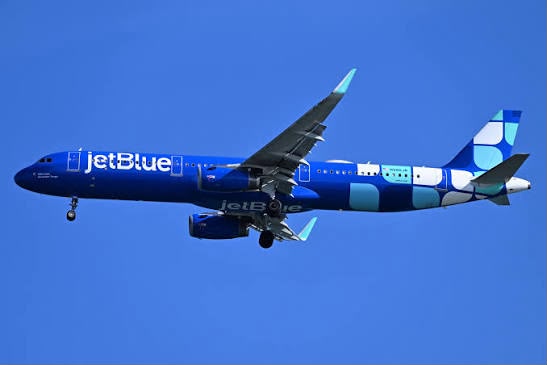
A JetBlue Airways pilot in the United States rejected an air traffic control (ATC) instruction and declared an emergency after warning that the assigned heading would take the aircraft into a severe thunderstorm. The flight crew subsequently changed course to avoid the hazardous weather conditions and continued their journey safely.
The incident occurred on September 3, 2026, involving JetBlue flight B61971, an Airbus A320 registered N715JB, operating from Fort Lauderdale to Austin. Shortly after departure, an air traffic controller instructed the aircraft to fly a heading of 270 degrees. However, the crew reported severe thunderstorms along the assigned route and requested an alternative heading.
The controller responded that the radar display showed only light precipitation in the area and that the requested turn could not be authorised due to other air traffic.
The pilot then questioned the instruction, asking, “So you’re going to send us through a severe thunderstorm?”
When the controller maintained the original instruction, the pilot responded, “That’s not what it looks like from where we are. Therefore, we’re declaring an emergency and turning left to a heading of 260 degrees to avoid the severe weather.”
Following the emergency declaration, the aircraft initially turned to a heading of 260 degrees before adjusting to 240 and then 230 degrees to remain clear of the adverse weather. Air traffic control acknowledged the emergency declaration, and the aircraft subsequently reached Austin and landed safely. No injuries or aircraft damage were reported.
Under aviation regulations, the pilot-in-command has the authority to deviate from ATC instructions when necessary to ensure flight safety.
Radio communications shared on social media following the incident have renewed discussions about a captain’s decision-making authority and ultimate responsibility for flight safety.