Air India’s 15 Months: From a Forgotten Jet to Mandatory Drug Testing
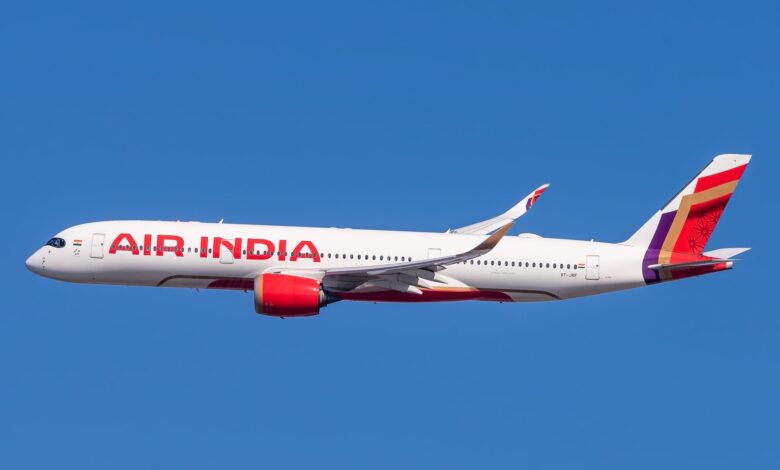
Air India has faced a string of safety and compliance events over the past 15 months, under scrutiny since the AI171 crash of June 2025. In November 2025 it emerged that a Boeing 737-200 had been sitting at Kolkata Airport since 2012, missing from the airline’s own records; CEO Campbell Wilson called it an aircraft the company “didn’t even know we owned.” That same month, an Airbus A320neo flew eight commercial sectors without a valid Airworthiness Review Certificate, drawing a penalty of about USD 110,000.
Incidents followed. In Vancouver, the pilot rostered for flight AI186 was removed from the cockpit after failing two breathalyser tests. On 15 January 2026, an A350-900 ingested a cargo container while taxiing in dense fog at Delhi. And on 1 February, the crew of a Boeing 787-8 found at Heathrow that the left fuel control switch did not latch positively in “RUN.” The DGCA said the crew verified the switch before continuing and no warnings appeared in flight; the UK CAA still demanded a root-cause analysis, and examination in Seattle later found no abnormality.
Scrutiny intensified on 4 August 2026, when flight AI2379 from Phuket lost about 91 metres (300 feet) of altitude, injuring between 17 and 24 people. The AAIB is investigating it as a “serious incident.” Indian media reported the captain’s confirmatory substance test returned positive for marijuana; Air India said the results had not been shared with it, while ALPA India noted some over-the-counter medicines can also produce a “non-negative” initial result. On 13 August the airline began mandatory screening of all group pilots, far beyond the existing 10% random-testing rule.