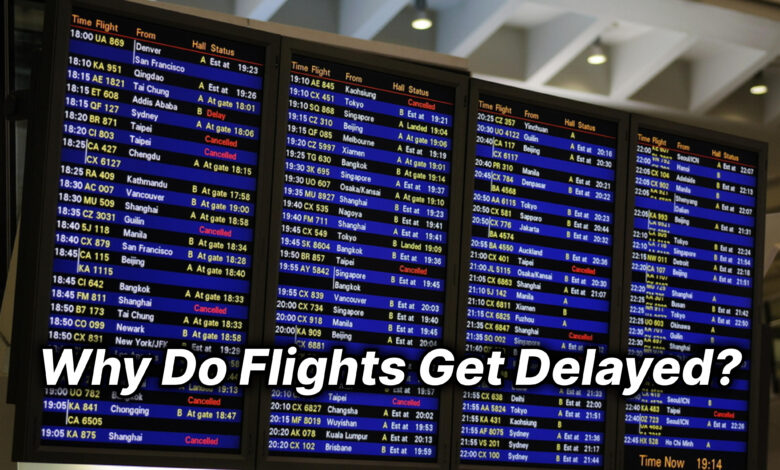
In airline operations, delays are rarely caused by just one single factor. A flight being delayed usually results from several operational processes affecting each other.
➡️ Aircraft operate back-to-back flights throughout the day. A small disruption early in the day can lead to a chain of delays later on. That’s why evening flights carry a higher risk of delays even when weather conditions are normal.
➡️ Crew duty and rest limits are another key factor. Pilots and cabin crew can only work within legal time limits, so delays on earlier sectors may require assigning a new crew.
➡️ Airspace congestion and slot restrictions, especially at busy airports, can limit departure and arrival clearances. This may result in the aircraft waiting on the ground.
➡️ Technical checks are essential for safe operations. Even the slightest concern can trigger inspections, which may delay the scheduled departure.
➡️ Ground handling processes such as fueling, loading, and catering can also directly impact delays. In addition, weather conditions like wind, visibility, and runway state affect not only a single flight but the overall airport capacity.
For these reasons, flight delays usually can’t be explained by a single cause and must be evaluated as part of the entire operational system.