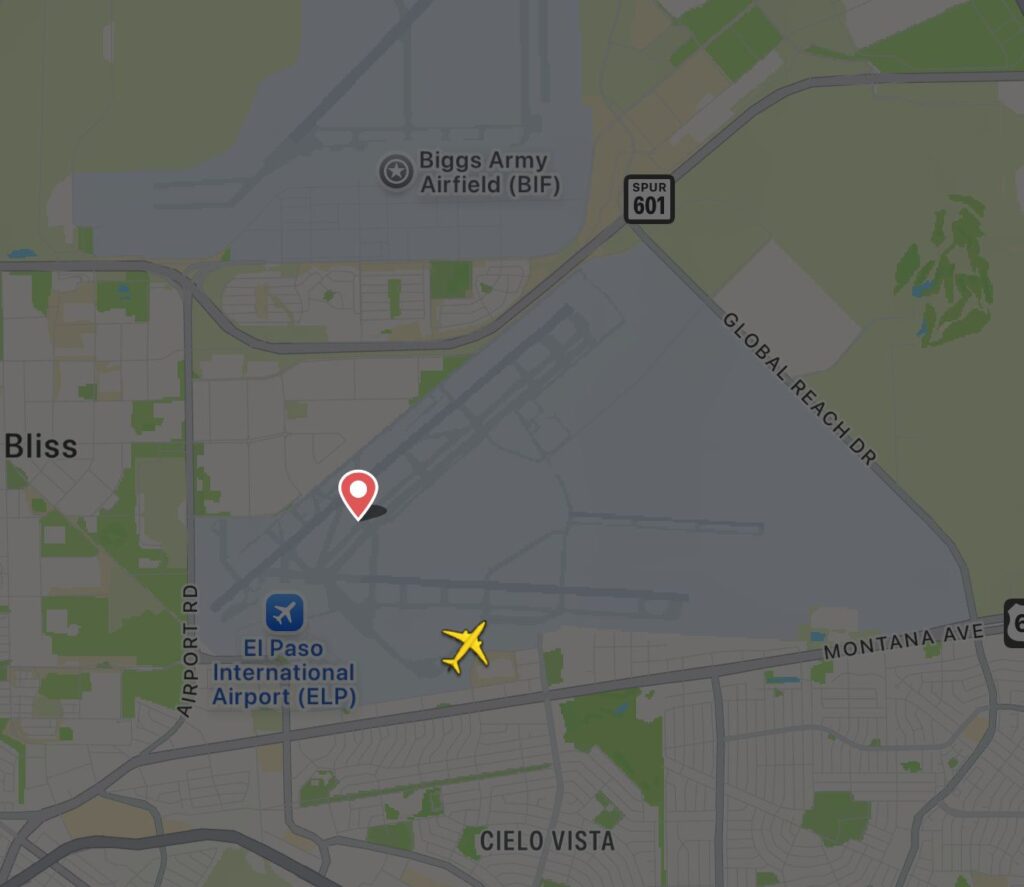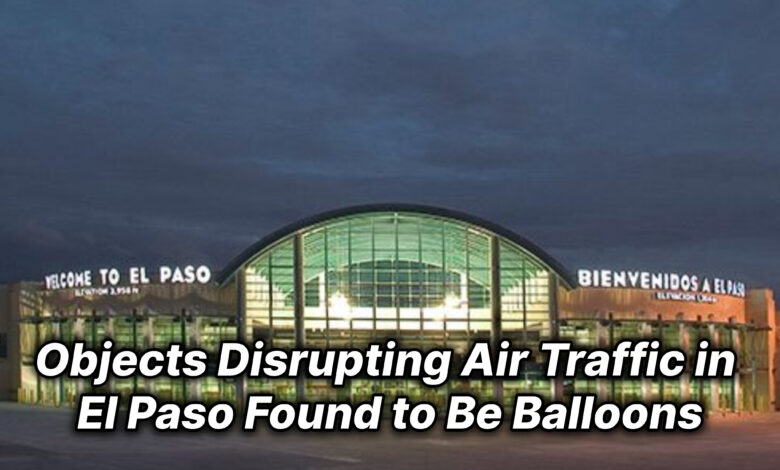
El Paso International Airport in Texas experienced a brief operational disruption on February 11 after suspicious objects were detected in the airspace. The objects were initially assessed as “drones originating from Mexico,” but were later identified as balloons.
According to The Wall Street Journal, following the incident, U.S. Customs and Border Protection deployed a newly acquired laser-based system to neutralize the objects. The system, reportedly developed by defense company AeroVironment and publicly referred to as “Locust,” was activated as part of the response.
Authorities are said to have provided prior notification to the Federal Aviation Administration (FAA) regarding the use of the laser system, and the operation was conducted around Fort Bliss. However, the aerial objects were later believed to have most likely been celebratory balloons.
The report highlighted that high-powered laser systems may pose potential risks to pilots. Such systems could cause temporary blindness, distraction, and even loss of control, particularly during critical phases of flight such as takeoff and approach. This raised safety concerns within the civil aviation sector.
It was alleged that the developments stemmed from insufficient coordination between the Pentagon, the FAA, and customs authorities. Commenting on the issue, U.S. Senator Tammy Duckworth stated that conflicting information had been received from different agencies and called for improved interagency communication.