Airports Council International Europe (ACI EUROPE) says the Schengen Entry-Exit System (EES), launched on 12 October 2025, is generating serious operational difficulties and urges the European Commission, eu-LISA, Frontex and Schengen Member States to address them urgently.
As the biometric registration and data capture of third-country nationals is progressively scaled up, border control processing times at airports have reportedly increased by up to 70 percent, with peak-period waiting times reaching up to three hours. ACI EUROPE says this is severely damaging the passenger experience, with airports in France, Germany, Greece, Iceland, Italy, Portugal and Spain particularly affected.
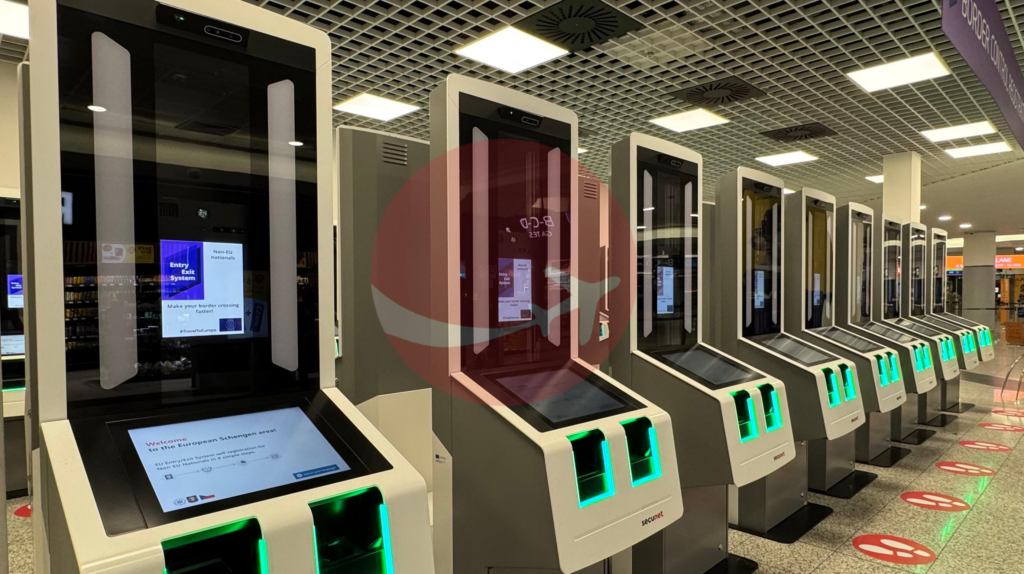
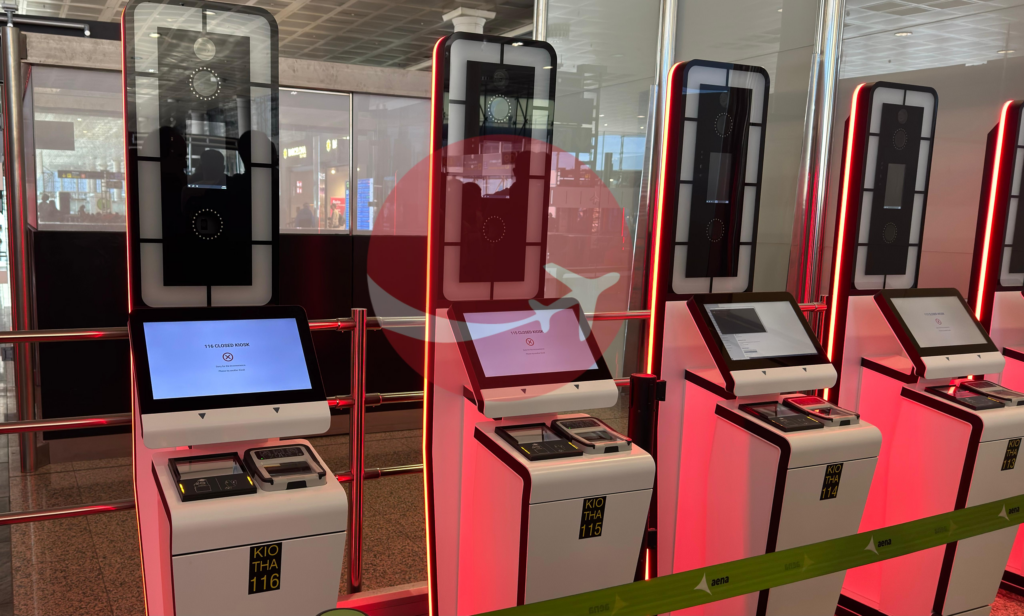
The association points to a combination of issues, including regular EES outages that undermine the predictability and resilience of border operations, persistent configuration problems and the partial deployment or unavailability of self-service kiosks, the absence of Automated Border Control gates enabled for EES processing at many airports, the lack of an effective pre-registration app, and insufficient numbers of border guards due to staffing shortages at the responsible authorities.
Director General Olivier Jankovec warned that significant discomfort is already being inflicted on travelers even while the current registration threshold is only 10 percent. He said that unless these issues are fully resolved in the coming weeks, the required increase of the threshold to 35 percent as of 9 January under the implementation calendar will inevitably lead to much more severe congestion and systemic disruption for airports and airlines, potentially creating serious safety hazards.
Jankovec reiterated support for the EES and commitment to its implementation, but stressed it cannot translate into mayhem for travelers and chaos at airports. If the system cannot be stabilised by early January, he called for swift action from the European Commission and Schengen Member States to allow additional flexibility in the rollout.